Your Biggest Home Energy Decision This Decade
Europe is phasing out gas boilers. North America is increasing regulations. Governments now position heat pumps as the primary replacement. While manufacturers publish strong efficiency figures, homeowners often feel stuck in the middle. You need to know if this switch makes financial sense or if it is just an expensive obligation.
The truth depends on four variables. Often, the industry hides how these factors affect your wallet. This guide provides an honest ten-year comparison. We analyze the costs, the carbon impact, and the decision framework you need.
Planning to use solar power? See our analysis on “Home Solar Panels: Real Payback Period” to see how it changes these numbers.
How Each System Works
You must understand the technology to make sense of the efficiency data.
Gas Boilers: These systems burn natural gas to generate heat. A pump then moves this heat through your radiators. Even the best condensing boilers reach about 90–95% efficiency. This means you lose 5 to 10 cents of every dollar to waste.
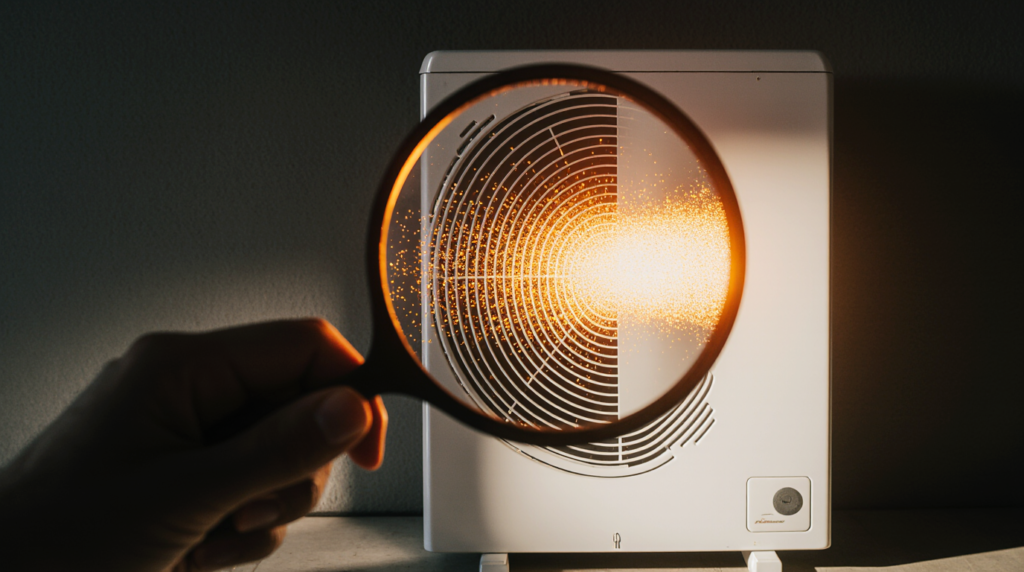
Heat Pumps: These do not create heat by burning fuel. Instead, they move heat from the outside air or ground into your home. They use a refrigerant cycle, much like a refrigerator running in reverse. Because they move existing heat, they deliver more energy than they consume. Modern units offer a Coefficient of Performance (COP) of 2.5 to 4.0. Essentially, they provide 4 units of heat for every 1 unit of electricity used.
The Catch: Electricity usually costs more than gas. High efficiency does not always mean lower bills. The price gap between fuels matters most.
The Ten-Year Cost Comparison
Below is the financial data for a standard three-bedroom home in the UK.
| Cost Category | Gas Boiler | Air-Source Heat Pump |
| Installation | £2,000–£4,000 | £8,000–£15,000 |
| Govt. Grants | £0 | Up to £7,500 |
| Net Install Cost | £2,000–£4,000 | £500–£7,500 |
| Annual Running Cost | £900–£1,300 | £800–£1,400 |
| 10-Year Maintenance | £1,500–£2,500 | £800–£1,500 |
| Total 10-Year Cost | £11,500–£17,500 | £9,300–£21,900 |
These ranges are wide because every home is different. Your insulation and radiator size will determine your final bill.
Why Insulation Matters Most
Insulation is the most critical factor for heat pump success. Yet, mainstream media rarely discusses it.
Heat pumps work best when they run at low output for long periods. They maintain a steady background temperature. They struggle to heat a cold, drafty space quickly. A poorly insulated home loses heat fast, forcing the pump to work harder. This kills efficiency and spikes your bills.
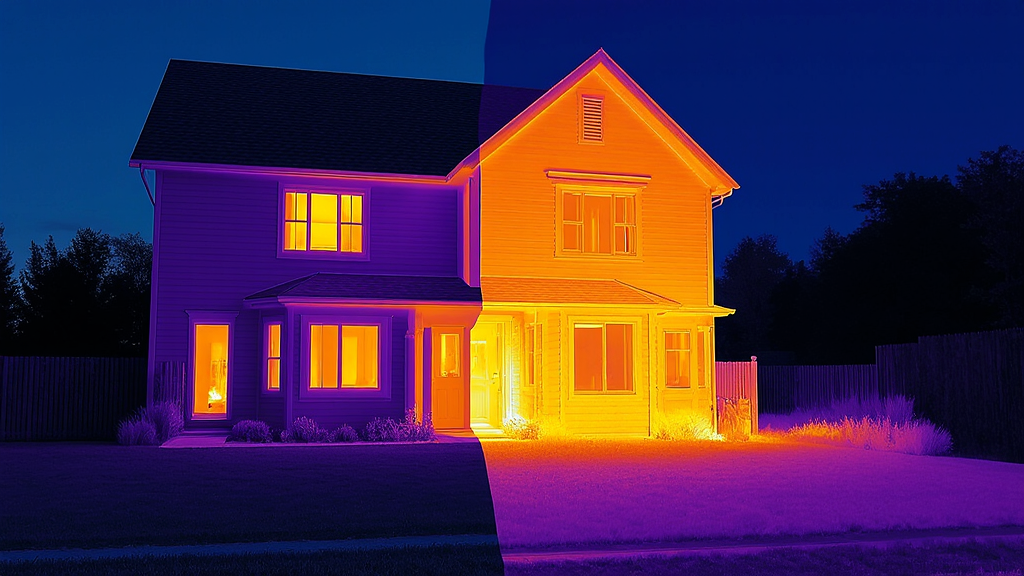
If you have modern double glazing and thick loft insulation, a heat pump is excellent. If your home is older and “leaky,” the pump may cost more than your old boiler. Always insulate your home before you change your heating system. Insulation offers a faster return on investment than the pump itself.
The Carbon Reality
The carbon data is clear. A typical gas boiler produces 2.0–2.5 tonnes of $CO_2$ per year. An air-source heat pump reduces this to 0.5–0.8 tonnes. Over ten years, you save 15 tonnes of carbon.
As the power grid becomes greener, your heat pump becomes cleaner. If you pair it with solar panels, your footprint drops even further.
When to Choose Each System
A heat pump makes sense if:
- Your home is well-insulated.
- You are building a new home or renovating.
- You can access a grant of £5,000 or more.
- You have underfloor heating.
A gas boiler remains the practical choice if:
- You cannot upgrade your insulation.
- Electricity prices are extremely high in your area.
- You need an urgent replacement today.
The Verdict
Heat pumps are not a “one-size-fits-all” solution. They are the best choice for insulated homes and solar owners. However, they are a risky financial choice for drafty buildings.
Before you buy, get a professional heat-loss assessment. If your home is ready, claim your grant and switch. If not, fix your insulation first. You will save more money in the long run.