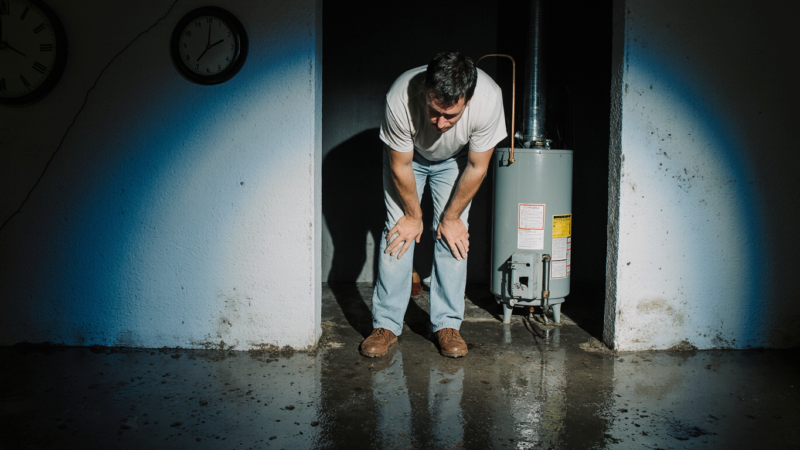
The transition to a sustainable lifestyle often conjures images of expensive solar arrays or high-tech electric vehicles. However, for the average household, the most significant environmental and financial impact often begins much closer to home. We like to think of our houses as solid fortresses against the elements, but scientifically speaking, most homes behave more like a sieve. They are constantly losing treated air through thousands of tiny, invisible punctures.
The Hidden Science of the “Sieve House”
Imagine a typical middle-class household. They do everything “right”—they install LED bulbs, use a programmable thermostat, and buy energy-efficient appliances. Yet, their monthly energy bills remain stubbornly high. The culprit is rarely their behavior; instead, it is a scientific phenomenon known as the “Stack Effect.”
In the winter, warm air rises and escapes through the top of the house. This creates a vacuum that pulls cold air in through every crack in the foundation and walls. In the summer, the process reverses as cool air sinks and pulls heat in from the attic. This constant air exchange means your HVAC system is working double time to treat air that eventually just disappears. By sealing these leaks, we are not just fixing a house; we are optimizing a thermal system.
1. The Entryway Audit: The $8 Door Sweep
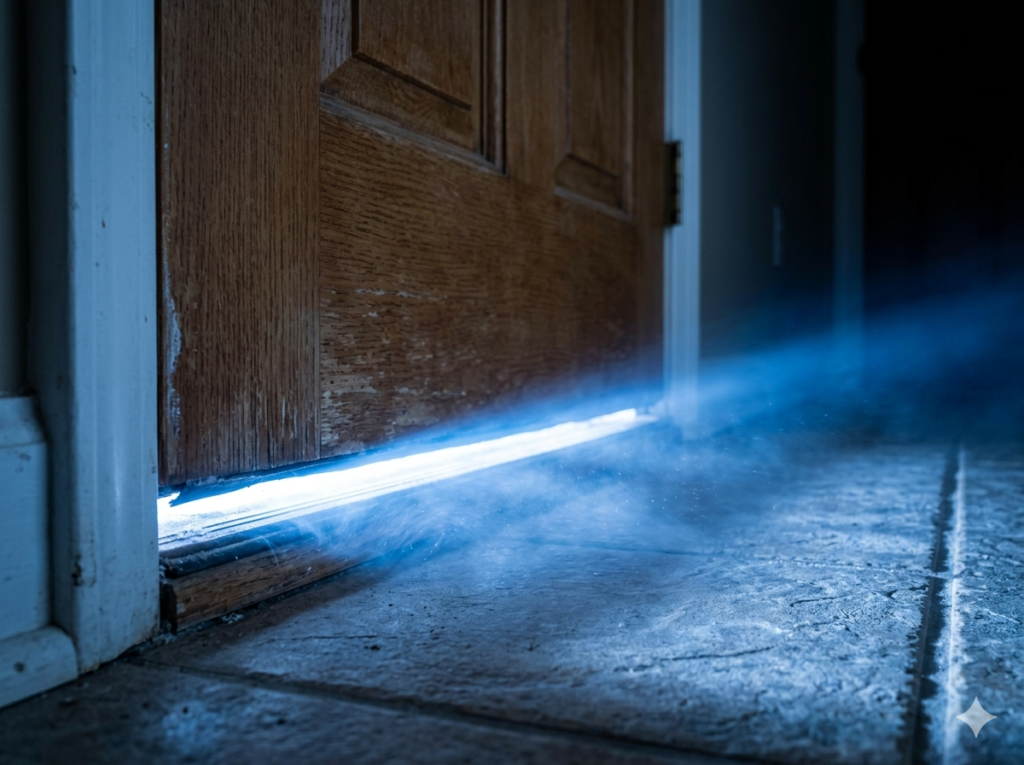
The most obvious leak in any home is usually the front or back door. If you can see light under your door or feel a breeze with your hand, you are essentially paying to heat the sidewalk. A gap of just an eighth of an inch might seem negligible, but over a 24-hour period, it is the cumulative equivalent of leaving a window wide open for several hours.
The solution is a simple adhesive or screw-on door sweep. For less than $8, you can install a flexible barrier that maintains a tight seal even as the house settles or the weather changes. This single move can reduce local drafts by up to 90 percent, making the entryway—and the rest of the house—significantly more comfortable.
2. The Attic Hatch: The “Chimney” of the Home
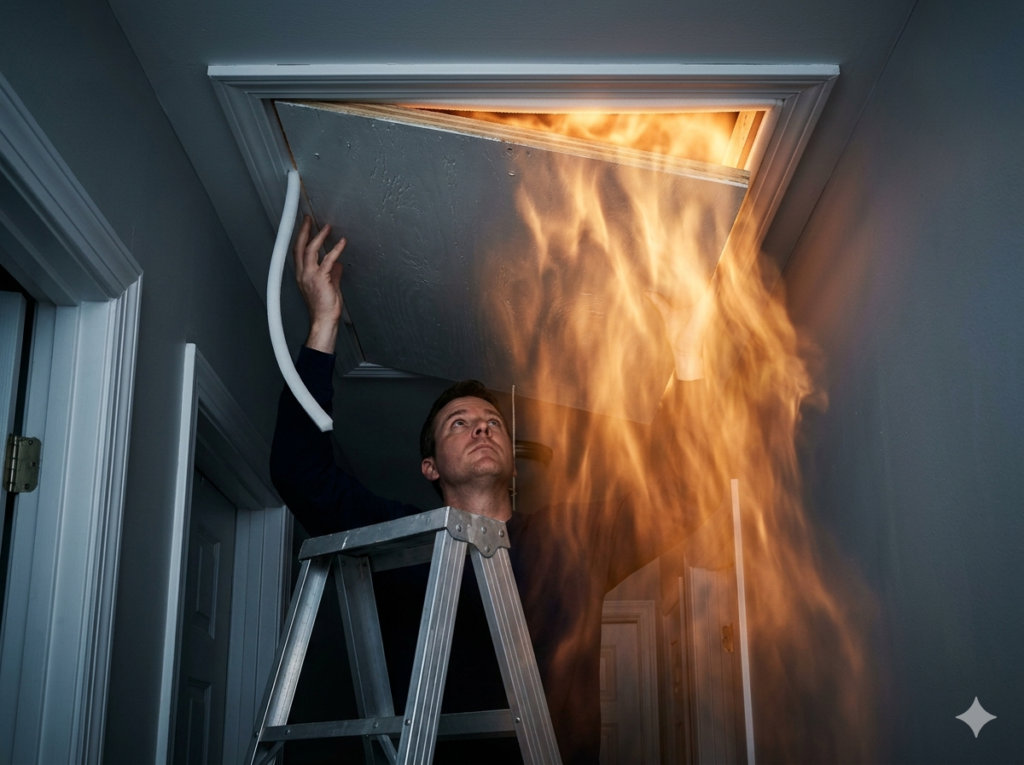
Perhaps the most neglected area in a Western household is the attic access panel. Because it is hidden in a closet or hallway, we often forget it exists. However, because heat rises, the attic hatch acts like a chimney. If it is not sealed with weather stripping, it allows your most expensive treated air to vanish into the rafters.
By applying a simple roll of foam weather stripping to the wooden lip where the hatch rests, you create a pressurized seal. This prevents the Stack Effect from pulling air out of your living spaces. Scientific audits show that an unsealed attic hatch can account for up to 5 percent of a home’s total heat loss.
3. The Electrical Outlet Gaskets: The Silent Drain
This is a secret that many contractors overlook. Exterior walls are rarely perfectly insulated behind the electrical boxes. When a cold wind hits the outside of your house, it enters the wall cavity and finds the path of least resistance: your electrical outlets and light switches.
For about $6, you can buy a pack of fire-retardant foam gaskets. You simply remove the plastic wall plate, fit the gasket over the outlet, and replace the plate. It takes thirty seconds per outlet but creates a vital thermal break. In a house with twenty exterior outlets, this prevents a significant volume of air exchange that most homeowners never even consider.
4. Removable Rope Caulk: The Winter Window Shield
Older double-pane windows often lose their seal over time. Replacing them can cost ten thousand dollars or more, which is a massive financial burden. However, “rope caulk” offers a brilliant middle ground. It is a putty-like substance that you can press into the seams of windows you don’t intend to open during the winter.
Unlike permanent caulk, rope caulk stays flexible and can be peeled off without damaging the paint when spring arrives. This creates a temporary airtight seal that stops the whistling sounds and cold spots often found in older suburban homes. It is a high-impact, low-cost fix that bridges the gap between old technology and modern efficiency.
5. The Water Heater Pipe Sleeve: Reclaiming Standby Heat
Finally, we look at the plumbing. Most households waste a surprising amount of energy through “standby heat loss” in their water pipes. If your hot water pipes are exposed in a basement or garage and feel warm to the touch, you are losing energy before the water even reaches your faucet.
Foam pipe sleeves cost about $2 per six-foot section. By insulating the first few feet of the hot water pipe exiting your heater, you keep the water inside hotter for longer. This reduces the frequency with which your water heater has to cycle on to maintain its temperature. It is a small change with a compounding effect on your monthly utility bill.
Conclusion: The ROI of Eco-Frugality
After implementing these five steps, the average household can expect to spend approximately $46.40. In many cases, the very first monthly energy bill will drop by $50 or more, meaning the project pays for itself in just 30 days.
At Green Budget Lab, we believe that sustainability is not just about the big-ticket purchases. It is about the small, data-driven decisions that respect both the planet and your wallet. By spending one Saturday afternoon and less than $50, you can turn your home from a sieve into a sanctuary.
Frequently Asked Questions (FAQs)
While it is a common myth that a house needs to “breathe,” it is far more efficient to “seal tight and ventilate right.” Most DIY sealing (like door sweeps and outlet gaskets) targets accidental leaks that cause drafts, not the vital air exchange needed for health. For the average American home, these $50 fixes improve comfort without compromising air quality. If your home becomes exceptionally airtight, a simple Energy Recovery Ventilator (ERV) can manage fresh air mechanically far cheaper than leaky windows ever could.
From a Return on Investment (ROI) perspective, sealing air leaks wins every time. Replacing windows can cost $10,000–$15,000 and take 20+ years to pay for itself in energy savings. Conversely, spending $50 on weather stripping and caulk can pay for itself in a single winter. Always seal your existing windows and doors before considering a total replacement.
You don’t need expensive thermal cameras. On a windy day, light an incense stick or a candle and hold it near window frames, outlets, and baseboards. If the smoke wafts horizontally or the flame flickers, you’ve found a leak. Alternatively, turn on all your bathroom exhaust fans to create “negative pressure,” which will pull outside air in through the leaks, making them easier to feel with your hand.
Yes, but in reverse. In the summer, the cool air you pay to refrigerate is denser and heavier, so it sinks and “leaks” out of lower levels and the basement. This creates a vacuum that pulls hot, humid air in through the top of your house (the attic hatch). Sealing your home is just as vital for keeping the heat out in July as it is for keeping the warmth in in January.
Yes, provided you buy gaskets that are UL-listed and specifically labeled as fire-retardant. These are made of high-density foam designed to sit behind the wall plate without posing a risk. They are a standard, code-compliant way to stop air infiltration through electrical boxes, which are one of the most significant—yet invisible—sources of heat loss in modern construction.